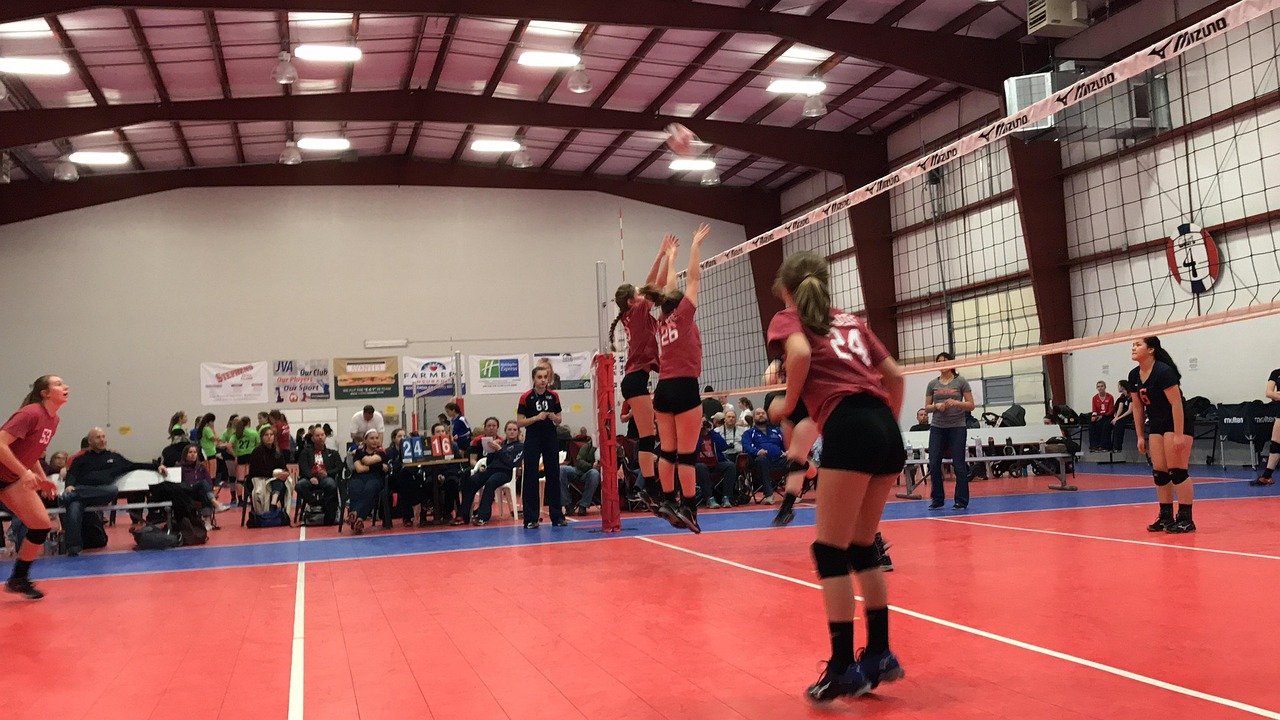
Blocking is one of the most decisive defensive skills in volleyball, and among all the variations, the read block remains the most intelligent and adaptable. Unlike a swing block, which is based on a pre-planned movement, a read block requires the blocker to observe the setter, track the attacker, and react in real time. It is a technique that relies as much on mental sharpness as physical execution.
This long-form guide explains exactly how to perform a read block, how to improve your anticipation ability, the footwork you need, drills that build reactive decision making, and common errors to avoid. Whether you are a middle blocker learning to control the net or a coach looking to refine your team’s defensive system, this guide will give you everything you need to master the read block.
What Is a Read Block?
A read block is a blocking technique in which the blocker delays their movement until after the setter has contacted the ball. Instead of committing early, the blocker “reads” the setter’s body position, the quality of the set, and the hitter’s approach before deciding where and when to jump. This strategy prioritises decision-making over pre-commitment.
A successful read block allows players to:
- React to the final set instead of guessing
- Adjust to unexpected setter choices
- Track last-second changes in the hitter’s approach
- Close the block more accurately
- Reduce gaps that attackers can exploit
At the highest levels of play, most middle blockers rely heavily on read blocking because it allows them to make efficient, informed movements.
Why Read Blocking Matters
Read blocking is essential for several tactical and performance reasons:
Helps defend unpredictable offences
Against teams that run fast, deceptive, or spread-out offences, guessing early rarely works. Reading the setter gives you a fighting chance to get in front of even the quickest attacks.
Supports team defensive strategy
Back-court defenders rely on blockers to take away certain angles. A well-timed read block controls space, shapes the defence, and forces attackers into predictable shots.
Prevents committing errors
Commit blocking can be effective, but it also risks leaving a hitter completely unmarked if the setter surprises you. A read block reduces those mismatches.
Improves block consistency
Because it is based on reacting to real information rather than prediction, read blocking tends to be more reliable over an entire match.
Builds smarter defenders
Players who master read blocking become better at reading approaches, understanding patterns, and anticipating plays. This intelligence transfers to every part of the game.
Key Elements of a Successful Read Block
A read block is constructed through a combination of physical technique and mental processing. Here are the essential components.
1. Stance and Ready Position
Start in a neutral, athletic stance:
- Feet shoulder-width apart
- Knees bent with weight on the balls of your feet
- Hands in front of the body, ready to move upward
- Slight forward lean for explosiveness
The key is balance — you shouldn’t be leaning toward any hitter before the set.
2. Reading the Setter
This is the heart of the read block. Your first job is to observe the setter’s body language:
- Shoulder angle often indicates direction
- Hand shape can hint at tempo
- Set trajectory becomes visible immediately after contact
- Footwork patterns help identify front or back setting
Watch the setter’s body, not just the ball. Many setters disguise the ball well, but their torso still reveals direction.
3. Reading the Hitter
Once the ball leaves the setter’s hands, your focus shifts instantly to the hitter. Key indicators include:
- Approach speed
- Angle of approach
- Takeoff foot
- Shoulder orientation
- Elbow position
- Tempo relative to the set
You must be able to identify whether the hitter is lining up for cross-court, line, a tip, or a sharp angle before they leave the ground.
4. Footwork to the Block
Read blocking requires fast, decisive movement. Common patterns include:
- Shuffle-shuffle-plant
- Crossover step into shuffle
- Slide step for short reads
- Crossover-crossover for fast middles
Keep your steps light — loud footwork often means you are landing heavy and slow.
5. Taking Off at the Right Time
One of the hardest aspects of read blocking is not jumping too early. Your takeoff should be based on:
- Hitter’s last step
- Peak of set trajectory
- Tempo of the offence
- Distance from the ball
A good rule: jump as the hitter begins to pull their hitting arm back.
6. Hand and Arm Position
Your hands determine whether the block is a point or a deflection. Focus on:
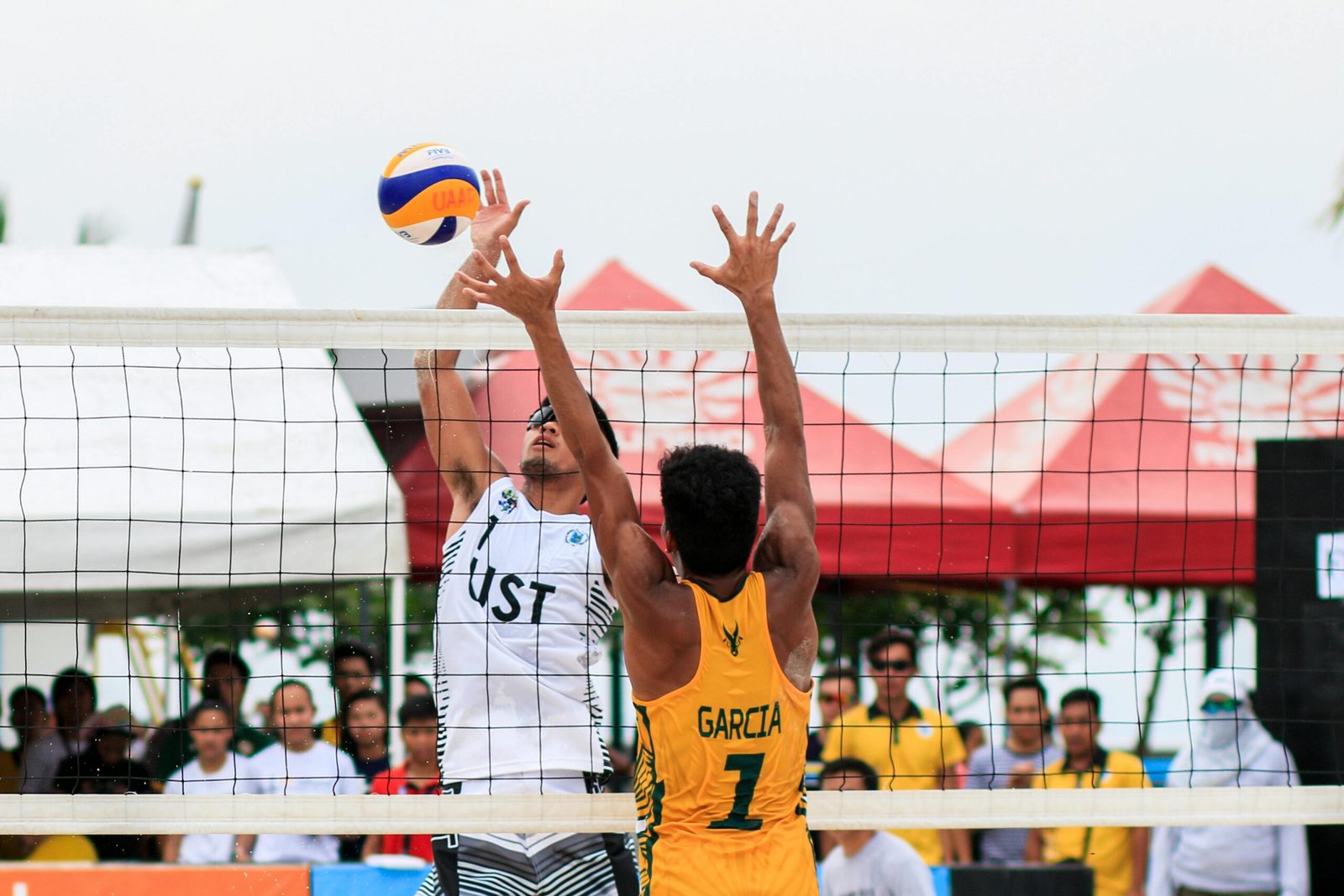
- Penetrating over the net, not straight upward
- Keeping thumbs strong and pointed inward
- Spreading fingers wide
- Pressing arms over rather than swinging downward
- Holding the press through contact
Good hand positioning reduces tool-offs and directs balls back into the court.
7. Reading Mid-Air
Experienced blockers adjust while airborne. You can:
- Angle hands more line or cross
- Press into the hitter’s path
- Shift slightly within your vertical space
This adaptability is what makes read blocking especially powerful.
When to Use a Read Block
Read blocking is most valuable in the following situations:
Against unpredictable setters
If the opposing setter uses dumps, reverses, back-sets, or disguises tempo, reading is essential.
Against fast offences
Middle-out quick attacks, tempo-2 balls, and shoot sets require adaptable positioning.
When blockers are mismatched
If the hitter is much taller or jumps much higher, reading their approach gives you a chance to meet them at the right moment.
When facing tactical hitters
Some hitters intentionally mix shots — rolls, tips, sharp angles, wipe attempts. Reading patterns helps counter these.
In long rallies
As rallies extend, attackers often become more predictable. Read blocking thrives in these moments.
Drills to Improve Read Blocking
Here are the most effective drills for training this skill.
1. Setter-Tracking Drill
Stand opposite a setter with multiple hitters approaching. Your job is to:
- Track setter shoulders
- Call out the intended hitter
- Move into blocking position
This builds setter-reading instincts.
2. Approach-Cue Drill
Hitters perform repeated approaches without hitting the ball. Blockers react to:
- Approach angle
- Last-step pattern
- Arm preparation
This removes the distraction of the ball and focuses on hitter body language.
3. Late-Jump Drill
Setters intentionally vary tempo. Blockers must:
- Hold their plant
- Jump only once the hitter commits
- Maintain vertical control
This prevents early jumping.
4. Random Direction Drill
Coach tosses or sets balls at random to either side. Blockers must:
- Read trajectory quickly
- Shuffle or crossover
- Press over the net
This improves reaction speed.
5. Film Breakdown Sessions
Video analysis accelerates learning:
- Pausing before the set develops pattern memory
- Looking at attacker loading teaches anticipation
- Identifying front/back setting cues improves decision-making
High-level blockers spend hours studying hitters before matches.
Common Mistakes in Read Blocking
Jumping Too Early
If you leave the ground before the hitter commits, you give them complete control.
Watching the Ball Instead of the Setter
The ball doesn’t give clues — the setter does.
Overcommitting to One Hitter
A read block requires neutrality until the moment of commitment.
Slow Footwork
Heavy steps prevent fast reaction. Quiet feet are usually quick feet.
Reaching Instead of Penetrating
A reach-over-the-net technique prevents wipes and tools.
Being Too Passive
Read blocking is reactive, but not passive — you still must explode aggressively once the read is made.
How to Get Better at Reading Hitters
Learn attacker tendencies
Every hitter has patterns:
- Favourite shots
- Preferred approach angles
- Repeated bail-out moves
- Tempo comfort zones
Knowledge = anticipation.
Watch their shoulders
Shoulder angle reveals attack direction earlier than arm swing.
Recognise approach speed
Fast approaches typically mean sharp cross or angle hits; slower ones often mean a tip.
Observe elbow height
High elbow = power hit
Low elbow = roll or tip
Read their steps
Outside hitters telegraph line vs cross in their final step pattern.
How the Read Block Fits Into Team Defence
The read block is most effective when coordinated with the back row.
For example:
- If the block takes cross-court, defenders must cover line and tips
- If blockers press line, defenders shift to sharp cross and deep angles
Communication words such as “line up,” “cross on,” “swing left,” or “hold middle” help synchronise defensive movement.
Defence forms a triangle between:
- Blocker
- Libero/defensive specialist
- Opposite side defender
A strong read block makes the entire defence more predictable, structured, and efficient.
Tips for Mastering the Read Block
- Stay neutral until after the setter contacts the ball
- Prioritise reading over guessing
- Watch the setter’s torso, not the ball
- Keep steps quick and light
- Time your jump based on the hitter’s arm action
- Penetrate aggressively over the net
- Coordinate with your back-court defenders
- Study opponent tendencies before and during matches
With consistent practice, players become quicker, smarter, and significantly harder to score against.
Conclusion
The read block is one of the most powerful tools in volleyball defence, combining athletic ability with high-level decision-making. It allows blockers to react intelligently to the offence, reduce open angles, force hitters into uncomfortable shots, and create opportunities for transition attacks.
By mastering positioning, reading indicators, timing your jump, and working closely with your defence, you can become a reliable and dangerous blocker at the net.