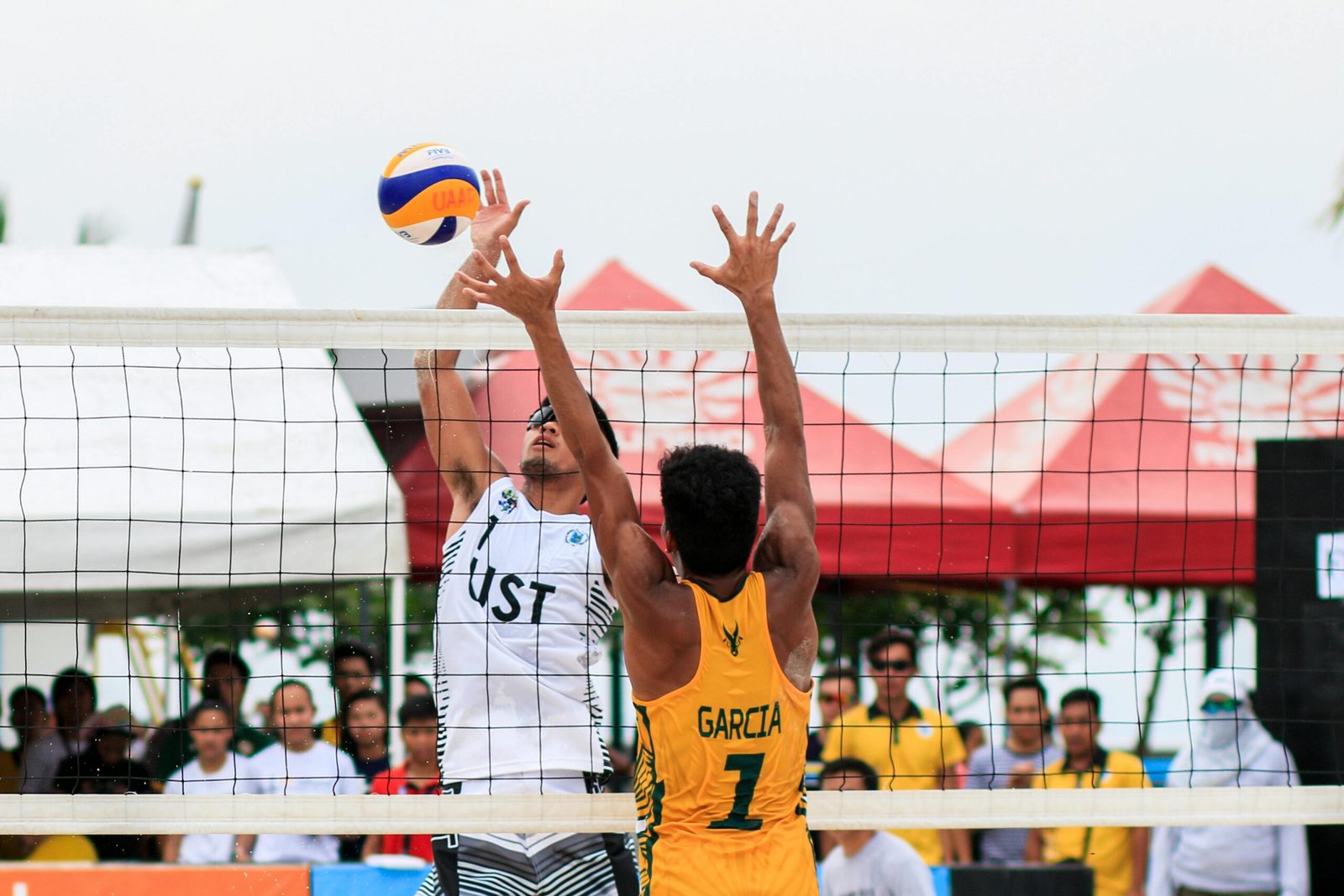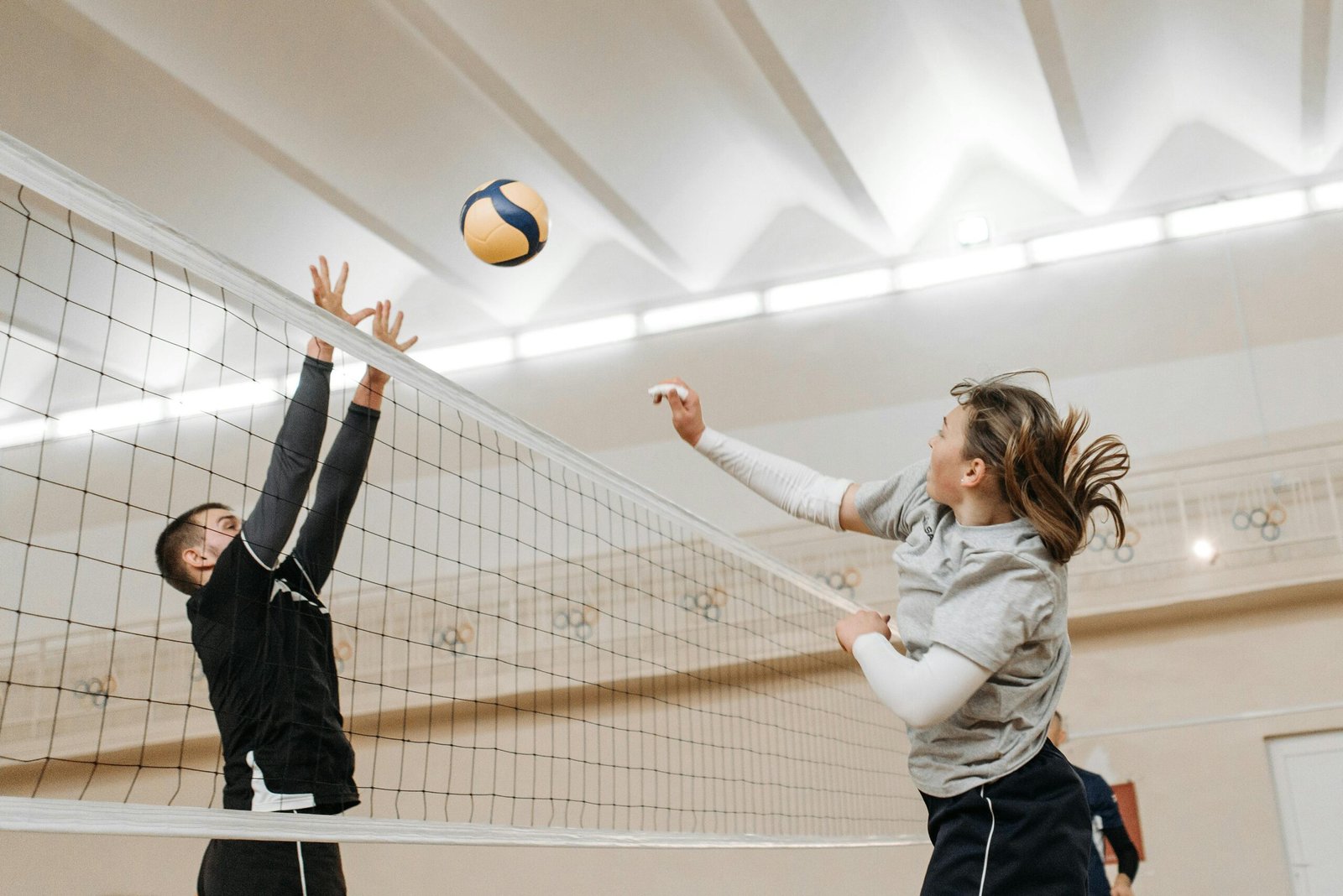
The opposite hitter, sometimes called the right-side hitter, is a vital position in volleyball. Positioned opposite the setter, they are crucial for scoring points and providing balanced offence, while also playing a key role in blocking and defence.
This detailed guide explains the responsibilities of the opposite hitter, highlights essential skills, and offers training tips to help you perform at your best.
What is the Role of the Opposite Hitter?
The opposite hitter plays mainly on the right side of the court and serves as a primary attacker. Unlike outside hitters, opposites often do not participate in serve receive, allowing them to focus more on attacking and blocking.
Key responsibilities include:
- Delivering strong attacks from the right side, both front and back row
- Blocking the opponent’s outside hitter and assisting in middle blocks
- Serving effectively and occasionally setting in emergency situations
- Providing offensive balance when the setter is in the front row
Essential Skills for Opposite Hitters
1. Powerful Attacking
- Develop a quick, explosive approach to generate maximum power.
- Master hitting from both front-row and back-row positions.
- Learn to vary your shots including line, cross-court, and off-speed hits.
- Work on timing to meet the ball at the highest point.
2. Blocking Ability
- Time your jumps carefully to form an effective block against outside hitters.
- Use hand positioning to reduce hitting angles.
- Collaborate with middle blockers for double blocks when possible.
3. Serving
- Develop a strong and consistent serve to initiate play and pressure opponents.
- Practice float serves and jump serves to vary your options.
4. Defensive Skills
- Although opposites usually play less in serve receive, they must be ready to dig attacks and transition quickly.
- Maintain good court awareness and positioning.
5. Physical Fitness and Agility
- Build leg strength and endurance for repeated jumping and quick lateral movements.
- Improve core strength for balance and stability during attacks and blocks.
Training Tips for Opposite Hitters
Improve Vertical Jump
- Incorporate plyometric exercises like box jumps, squat jumps, and calf raises.
- Work on explosive leg strength through squats and lunges.
- Practice your approach footwork to maximise jump height and timing.
Refine Arm Swing Technique
- Use video feedback to adjust your approach and swing for power and accuracy.
- Practice hitting various set types and speeds.
- Develop wrist snap for better control and variety in attacks.
Enhance Blocking
- Drill footwork to quickly move along the net and set up blocks.
- Practice timing with setters and middle blockers for effective double blocks.
- Study opponent hitters to anticipate their attack angles.
Serve Practice
- Incorporate daily serving drills focusing on consistency and variety.
- Experiment with different serves to keep opponents guessing.
Improve Defensive Readiness
- Work on reaction drills and quick dives to improve digging ability.
- Train lateral movement and quick transitions from blocking to defence.
Common Mistakes to Avoid
- Approaching the ball too early or late, reducing hitting effectiveness.
- Overcommitting on blocks and leaving gaps behind.
- Neglecting serve and defensive responsibilities.
- Poor communication with teammates during plays.
Mental Tips for Opposite Hitters
- Stay confident and ready to adapt your role depending on the game situation.
- Visualise successful attacks and blocks to build focus.
- Maintain positive energy and support team cohesion.
Equipment Recommendations
- Use volleyball shoes with strong lateral support and cushioning for jumping.
- Wear knee pads to protect during dives and quick directional changes.
- Consider wrist supports if prone to injury.
How Opposite Hitters Influence Team Success
Opposite hitters often shoulder a significant scoring load, especially when the setter rotates to the front row. Their ability to attack effectively from multiple positions and contribute to blocking makes them indispensable. A skilled opposite hitter balances offence and defence, creating opportunities and disrupting opponents’ plays.
Final Thoughts
Excelling as an opposite hitter requires a blend of power, technique, and tactical awareness. Focus on refining your attacking and blocking skills while maintaining good fitness and court awareness. With dedication and smart training, you can become a key player who drives your team’s success.