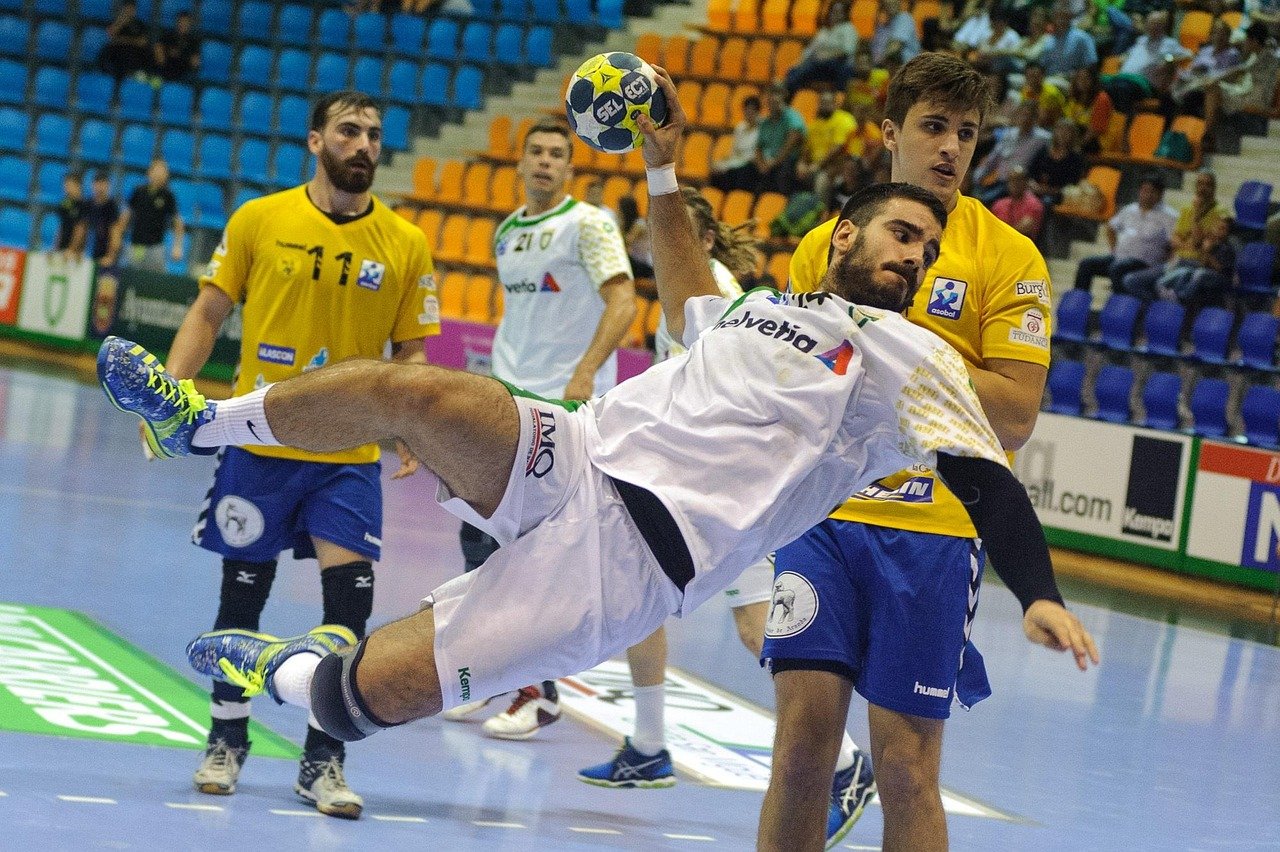
For decades, European dominance has defined the sport of handball. Whether at club level or international competitions, European nations have set the standards in tactics, athleticism, and development. But over the last 15–20 years, the sport has undergone a dramatic global shift. Nations outside Europe are no longer distant challengers — they are competitive forces altering the balance of power.
Egypt reaching World Championship semi-finals, Brazil producing world-class players across both genders, and Japan building a high-performance programme under world-renowned coaches are no longer one-off stories but markers of structural progress. This blog explores how and why handball is growing globally, and what this rise means for the sport’s future.
Why Handball Is Expanding Globally
Global handball growth isn’t accidental — it’s driven by clearer international pathways, professionalisation, and investment.
1. The IHF’s Globalisation Strategy
The International Handball Federation (IHF) has invested heavily in:
- Coaching development grants
- Equipment programmes for youth
- Expanding qualification paths for major tournaments
- Hosting tournaments outside Europe
- Rule adjustments encouraging athletic dynamism
These structural changes make the sport more accessible and more appealing for nations with emerging sporting cultures.
2. Increased Broadcast Coverage
Streaming platforms and global broadcasters now show:
- EHF Champions League
- IHF World Championships
- Olympic qualifiers
- National leagues (German Bundesliga, French Starligue, Liga ASOBAL)
This visibility creates:
- Higher youth interest
- Improved tactical understanding
- Easier talent scouting
- Greater sponsor engagement
3. Cross-Cultural Coaching and Player Movement
Top European coaches now work internationally. Players from Africa, Asia, and the Americas increasingly join European leagues, benefiting from:
- Better training environments
- Tactical exposure to elite systems
- Higher physical demands
- Daily competition against world-class players
This elevates entire national team levels upon their return.
Egypt: The Global Leader of Non-European Handball
Egypt is the strongest handball nation outside Europe — and arguably one of the strongest full stop.
Why Egypt Is Surging
- A well-structured domestic league
- Year-round youth academies
- Strong school and university handball culture
- A consistent tactical identity built around physical defence and fast transition
- Elite athletes playing in Europe (e.g., Ali Zein, Yehia Elderaa)
Breakthrough Achievements
- 4th place at the 2021 World Championship
- Olympic quarter-finals (2020)
- Dominance in African Championships
- A generation of physically exceptional backcourt players
Egypt’s development model is now considered a blueprint for the African continent.
Brazil: The Technically Gifted Rising Power
Brazil’s handball growth has been steady but significant across both men’s and women’s programmes.
Why Brazil Is Improving
- Longstanding investment in school sports
- Successful integration of Brazilian players into Europe, especially Spain and France
- Adoption of highly technical offensive systems
- Physical athleticism unmatched by most emerging nations
Key Achievements
- Brazil’s women winning the 2013 World Championship
- Regular last-16 appearances by both senior teams
- Brazilian players starring in European leagues (Thiagus Petrus, Haniel Langaro, Samira Rocha, Eduarda Amorim)
Brazil now produces some of the world’s best wingers and defenders, with distinctive flair and agility.
Japan: Discipline, Speed, and Structured Development
Japan has combined its traditional sporting culture of discipline with world-class coaching and detailed tactical planning.
What Drives Japan’s Handball Progress
- Hiring top international coaches (e.g., Dagur Sigurðsson)
- Centralised Olympic preparation programmes
- Youth academies with European partnerships
- Emphasis on speed-focused systems
Japan’s Tactical Identity
Japan plays:
- Fast offensive transition
- Precise 7v6 systems
- High-mobility defences
- Quick, explosive backcourt rotations
Their style is distinct, innovative, and difficult for traditional teams to defend.
Other Nations on the Rise
Argentina
A passionate sports nation with:
- A strong men’s team
- An improving women’s programme
- Heavy influence from European coaches
- A competitive domestic league
They are known for:
- Aggressive 6–0 defence
- Fast wing play
- Tactical discipline
Bahrain and Qatar
Middle Eastern investment has accelerated development:
- Professional league structures
- Elite facilities
- Strong foreign coaching influence
- Internationally experienced naturalised players (varies by country)
Qatar’s 2015 World Championship silver remains a landmark achievement.
Chile
Led by the Feuchtmann brothers and improved domestic structures, Chile has risen sharply, particularly in Pan-American competitions.
USA
Still in early stages, but:
- New professional league
- EHF partnerships
- Increasing collegiate participation
- Strong potential due to population size and athletic infrastructure
Africa Beyond Egypt
Countries like Tunisia, Algeria, and Angola continue to grow, giving Africa one of the world’s fastest-growing regional footprints.
How These Nations Are Changing the Global Landscape
1. Increasing Competitiveness at World Championships
More nations outside Europe are reaching:
- Knockout rounds
- Quarter-finals
- Competitive group stages
This elevates the sport’s unpredictability and reduces European dominance.
2. Tactical Diversity
Non-European teams adapt differently:
- Japan with speed-based systems
- Egypt with power transitions
- Brazil with technical play
- Qatar with structured discipline
This creates fresh tactical battles that enrich the sport.
3. A Broader Talent Pipeline
European clubs now scout globally.
This widens the talent pool and accelerates global balance.
4. Olympic and World Championship Expansion
The IHF’s commitment to geographic diversity increases recognition and drives youth involvement.
What’s Next for Global Handball?
More Full-Time Leagues Worldwide
The USA, Japan, and Brazil are building professional league pathways.
More Competitive Youth World Championships
Youth and junior tournaments are increasingly diverse and balanced.
New Rivalries
Egypt vs Denmark, Brazil vs France, Japan vs Korea — these become bigger global narratives.
Potential Future Powerhouses
- India (population + growing school sports investment)
- China (increased funding and hosting potential)
- South Korea reviving its historic strength
Conclusion
Handball is no longer a sport defined by one continent. The world is catching up — fast. Nations like Egypt, Brazil, and Japan are not merely participating; they are reshaping how the game is played, watched, and developed.
As globalisation accelerates, handball’s competitive landscape will continue expanding — and the next decade could be the most exciting in the sport’s history.