Front defence is one of the most important defensive techniques in korfball. It focuses on proactively denying attackers access to the ball rather than simply reacting to them once they have possession. By mastering front defence, players can disrupt attacking plays, force turnovers, and give their team control of the game. This guide explains what front defence is, how to execute it effectively, when to use it, training drills, and common mistakes to avoid.
What is Front Defence in Korfball?
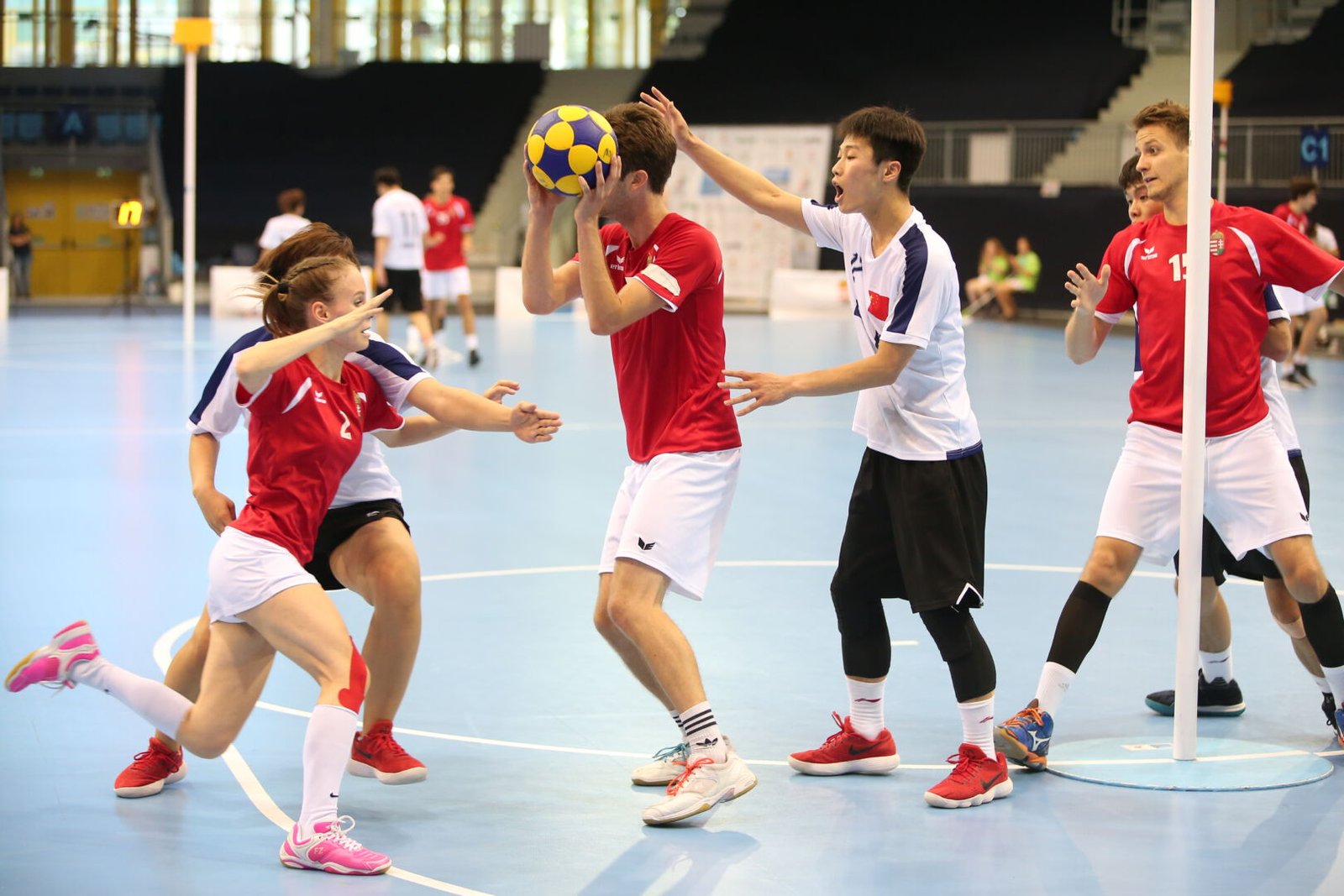
Front defence, sometimes called front marking, is a style of marking where a defender positions themselves between the attacker and the ball instead of primarily between the attacker and the korf. The goal is to prevent the attacker from receiving a pass, limiting their ability to shoot or create space. Unlike standard goal-side defence, front defence is proactive, forcing the attacking team to adjust their plays rather than simply reacting to the attacker’s movements.
Why Front Defence Matters
Front defence is a cornerstone of modern korfball defence because it reduces the likelihood of high-percentage shots, disrupts structured offensive plays, especially feed-to-post systems, creates opportunities for interceptions and turnovers, forces attackers into low-probability passing or shooting situations, and gives defenders control over the tempo and positioning of the opposing team. Teams that master front defence often dominate possession battles and limit the effectiveness of key attackers.
Key Principles of Front Defence
Position Between Attacker and Ball
Always aim to stand in the passing lane, not just behind the attacker. The defender’s body should obstruct the path of the ball and force the attacker to move away from dangerous areas.
Maintain Proper Distance
Stay close enough to pressure the attacker but far enough to react to sudden cuts. This balance prevents easy passes while avoiding fouls.
Adjust Constantly
Front defence is dynamic. The defender must shuffle, pivot, and angle their body to maintain control over the passing lanes.
Read the Feeder
The effectiveness of front defence depends on reading the player supplying the ball. Anticipate their eyes, body positioning, and passing intentions.
Communicate
Front defence works best when defenders signal switches, cover teammates, and coordinate movement to prevent gaps in coverage.
How to Execute Front Defence
Step 1: Anticipate Movement
Watch the attacker’s body language and footwork. Predict cuts and movements to pre-empt the pass.
Step 2: Take the Passing Lane
Move into the line between the attacker and the ball. Keep your hips and shoulders squared to maximize coverage.
Step 3: Maintain Balance
Front defence requires agility. Keep a low stance, weight evenly distributed, and knees slightly bent.
Step 4: Pressure Without Fouling
Use body positioning to restrict options without making physical contact. Avoid reaching or pushing, as korfball strictly penalises contact.
Step 5: Force Risky Decisions
The ultimate goal is to force the attacker to make a poor pass or take a low-percentage shot.
When to Use Front Defence
Front defence is most effective in the following situations: when a key attacker is dominating possession, against teams that rely heavily on feed-to-post plays, when defenders want to control the pace of the game, and to disrupt structured offensive patterns before they develop. It is particularly effective near the post, where attackers attempt quick shots or running-in plays.
Common Mistakes in Front Defence
Even experienced players make errors that reduce effectiveness. Common mistakes include standing too far from the passing lane, leaving the attacker free to receive, being static instead of adjusting to the attacker’s movement, overcommitting and leaving space behind for the attacker to exploit, failing to communicate with teammates, and reacting late to feints or quick cuts. Correcting these mistakes ensures that front defence becomes a reliable part of your defensive strategy.
Drills to Improve Front Defence
Passing Lane Drill
Set up a feeder and an attacker. The defender practises stepping into the passing lane to block passes, adjusting as the attacker moves.
Shadowing Drill
Defender mirrors the attacker’s movement without losing alignment with the ball, building agility and anticipation.
Feed-Pressure Drill
Simulate a live feed scenario. Defender practices reading the feeder, positioning correctly, and forcing the attacker away from the korf.
Reaction Drill
Attacker makes sudden cuts and changes direction. Defender reacts while maintaining front defence stance and pressure.
Small-Sided Game Drill
Play 3v3 with a focus on front defence. Encourage defenders to deny passes and force turnovers while coordinating with teammates.
Advantages of Front Defence
Front defence limits attacker options before they receive the ball, disrupts high-quality offensive plays, allows defenders to control the flow of the game, increases chances of interceptions, and reduces scoring opportunities near the korf.
Conclusion
Front defence is a highly effective defensive tactic in korfball. By mastering positioning, timing, anticipation, and communication, defenders can dominate passing lanes, force errors, and give their team a competitive edge. With consistent practice, players who excel in front defence become key contributors to their team’s defensive strength.