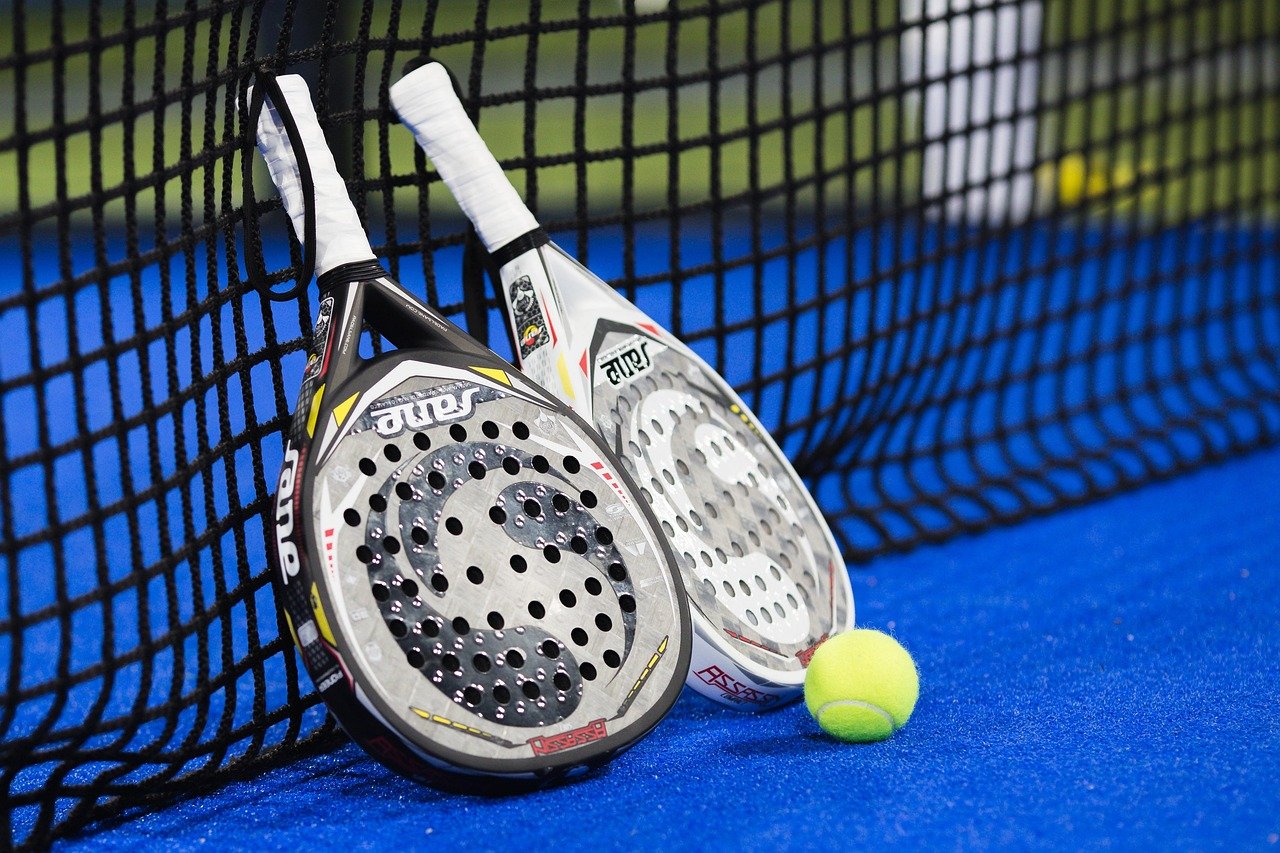
A weak backhand in padel can limit your ability to control rallies, respond to angled shots, and maintain net dominance. Unlike tennis, padel’s enclosed court and wall dynamics make the backhand especially critical for both defensive and offensive play. Developing a reliable backhand allows players to exploit court space, respond to fast shots, and turn defensive situations into attacking opportunities.
In this guide, we’ll break down the steps to diagnose weaknesses, correct technique, implement effective drills, and build confidence in your padel backhand.
Understanding Common Backhand Issues in Padel
Players often struggle with backhand shots due to improper grip, stance, timing, or footwork. Common issues include:
- Weak placement: Shots lack depth or angle, leaving opponents open.
- Limited power: Inability to generate speed on backhand returns.
- Poor spin control: Unpredictable or flat shots are easier to attack.
- Inconsistent execution under pressure: Difficulty maintaining technique during fast rallies.
Identifying which of these affects your play is the first step to improvement.
Step 1: Correct Grip and Racket Positioning
Padel-specific backhand success starts with the right grip:
- Continental or Eastern backhand grip: These grips provide versatility for slices, flat shots, and angled returns.
- Racket positioning: Keep the racket slightly below shoulder level and behind your body before swinging. This ensures proper follow-through and control.
Tip: Practice holding the racket correctly without hitting the ball to build muscle memory before moving into active drills.
Step 2: Footwork and Stance
Backhand effectiveness depends on balance and positioning:
- Side-on stance: Shoulders perpendicular to the net, with the non-dominant foot forward.
- Knees bent: Provides stability and quick movement.
- Weight transfer: Shift weight from back foot to front foot during swing for power and control.
Footwork drills, such as lateral shuffles and small adjustment steps for side walls, enhance your ability to reach and strike the ball consistently.
Step 3: Swing Mechanics
Padel backhands can be executed with a flat shot, slice, or topspin. Key mechanics include:
- Backswing: Rotate shoulders, keeping the racket head low and controlled.
- Contact point: Hit the ball slightly in front of your body for precision.
- Follow-through: Extend swing towards the target, keeping wrist firm but flexible for control.
Practicing slow-motion swings helps correct timing and ensures smooth execution during rallies.
Step 4: Wall Utilisation for Backhand Practice
The enclosed padel court provides unique opportunities for backhand drills:
- Back wall rebound practice: Hit backhands that utilise the back wall to control depth and positioning.
- Side wall angle drills: Practice returning balls that come off side walls to improve reaction time and placement.
- Combination drills: Integrate backhand slices or topspin with wall rebounds to mimic match conditions.
Consistent wall drills reinforce control and adaptability under real-game scenarios.
Step 5: Targeted Drills for Backhand Improvement
- Controlled Rally Drill: Partner feeds balls to your backhand side; focus on depth, angle, and consistency.
- Backhand Lob Drill: Practice lifting defensive backhands over opponents to reset rallies.
- Corner Placement Drill: Aim for deep corners using side-spin to challenge your partner.
- Pressure Drill: Simulate fast-paced rallies at the net, forcing you to execute backhands under pressure.
- Mirror Drill: Stand in front of a mirror to monitor elbow position, swing path, and stance.
Repeated practice builds reliability and confidence.
Step 6: Mental Approach to Improving Your Backhand
Confidence and patience are essential. Key mental strategies include:
- Focus on progress, not perfection: Minor mistakes are part of learning.
- Visualise successful shots: Mental rehearsal improves execution.
- Stay patient during rallies: Avoid rushing backhands; let technique guide the stroke.
- Review matches: Analyse backhand performance and identify patterns of errors.
A strong mental approach ensures consistent improvement and adaptability under pressure.
Step 7: Transitioning from Defence to Attack
Once your backhand is reliable, it becomes a tool for offence:
- Use angles: Exploit weak opponent positioning to create openings.
- Combine with volleys: Follow up backhand shots with net play to dominate points.
- Counter-attacking: Convert defensive backhands into attacking opportunities using lobs, slices, and angled drives.
Step 8: Equipment Considerations
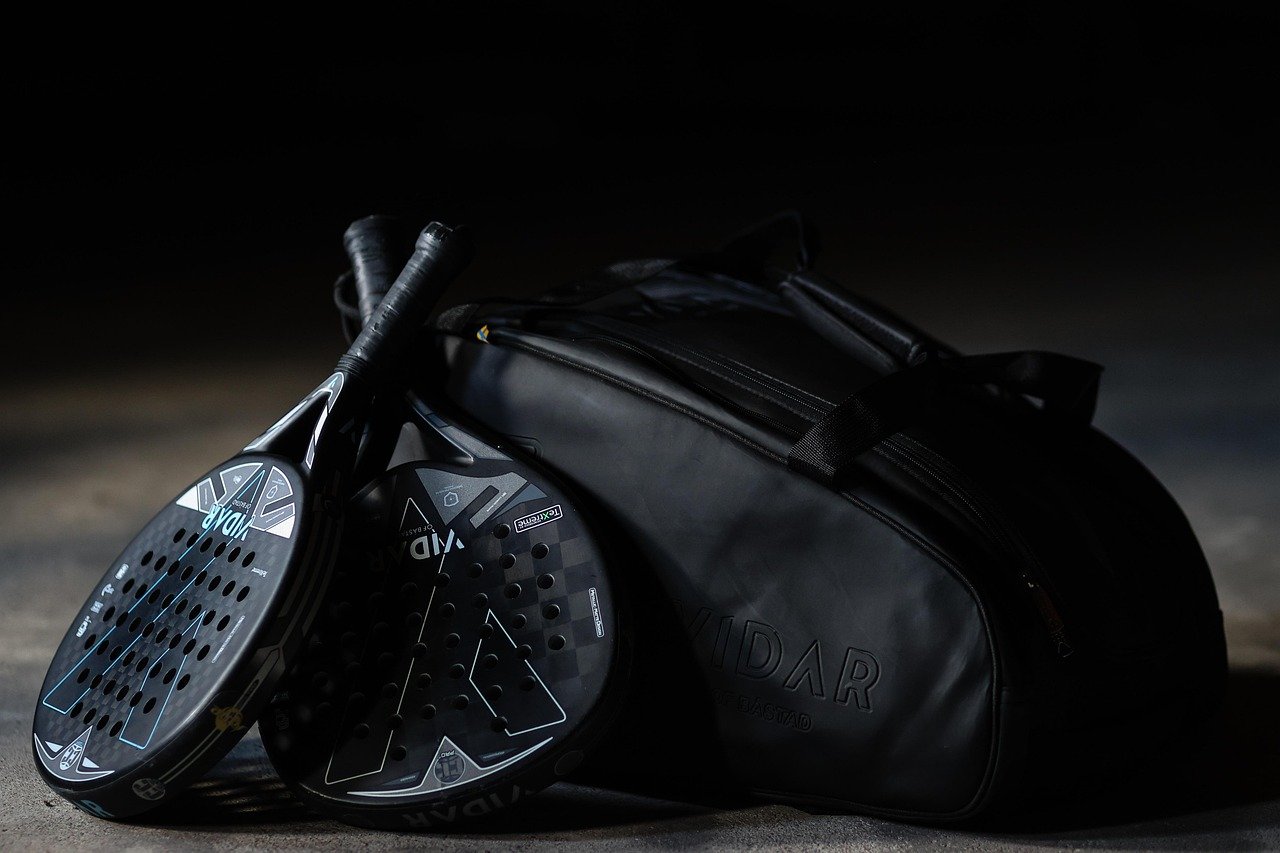
- Racket choice: Rackets with control-oriented sweet spots benefit backhand precision.
- Grip size: Ensure comfort and stability to prevent slippage during rapid backhand swings.
- Court shoes: Proper traction supports quick lateral movements and balance.
Conclusion
Fixing your weak backhand in padel requires a structured approach: identify weaknesses, refine technique, practise drills with walls and partners, and develop mental resilience. Over time, these steps transform a vulnerable stroke into a reliable, tactical weapon that can dominate rallies and support both defensive and offensive play.
By committing to deliberate practice and strategic application, your backhand will become a cornerstone of your padel game, turning once-limiting situations into opportunities for control and point creation.